About ICDP Ghana

We strive to provide human care through the activation of EMPATHY and building of caregiver competencies to achieve quality relationships that enhance development of children across Ghana.

ICDP Ghana - Initiative to Organization

The International Child Development Program (ICDP) Ghana’s inception can be credited to the visionary efforts of Mrs. Joyce Dodzi Larnyoh. Inspired by her participation in ICDP workshops in England, Joyce implemented the program's principles at the 'Shapes and Colours Educational Centre' in Community 20, Lashibi, Ghana. Drawing on her profound commitment to child development and extensive teaching experience spanning over 25 years in both Ghana and England, Joyce laid the foundation for a transformative initiative. Observing positive outcomes during her ICDP work, Joyce officially founded ICDP Ghana under the legal framework of the Company’s Act 169 in February 2013. This establishment positioned ICDP Ghana as a subsidiary of a child-centered non-governmental organization in Norway, reflecting a dedication to fostering child well-being and development.

Since its founding, ICDP Ghana has been dedicated to promoting and safeguarding the dignity of children through initiatives in child education, child rights, youth development, research, and advocacy. A pivotal milestone was the collaboration with ICDP International, leading to the conceptualization and implementation of a three-year project. This initiative aimed to provide psychosocial support to families in local communities, focusing on vulnerable children and their caregivers. Over the years, ICDP has collaborated with a diverse range of caregivers, including parents, community leaders, teachers, and child-centered institutions like the Department of Social Welfare, Police, Ghana Education Service (GES), and the Commission of Human Rights and Administrative Justice (CHRAJ). These stakeholder consultations and engagements are purposefully conducted to devise effective and sustainable measures for protecting and safeguarding both children and vulnerable adults.

While primarily focused on serving the needs of Ghanaian children, ICDP Ghana's impact extends beyond national borders. The organization actively engages in interventions across the West African sub-region and the entire African continent, aligning with its commitment to contributing to national, regional, and global efforts to provide a safe environment for children to thrive. ICDP Ghana strategically targets children and caregivers directly, including parents, guardians, and teachers, while also engaging relevant stakeholders during program implementations at various levels.
MISSION

To provide human care that enhances the total development of the child.

VISION

A society where children's wellbeing is achieved through the release of Empathy by caregivers.

"Therefore ICDP is in principle applicable at all levels — from babies to youth, adults and elderly."
— Professor Karsten Hundeide, Founder, ICDP International

Core Values

Integrity

We are committed to honesty, transparency, and accountability in all our actions and use of resources.

Empathy

Empathy is the engine of all our work — activating it in caregivers to transform children's lives and communities.

Participation

We ensure community ownership and participation in all programme planning and implementation activities.

Gender Responsiveness

We support women and girls as key drivers of change, and design programmes that address gender-specific barriers and needs.

Our Leaders

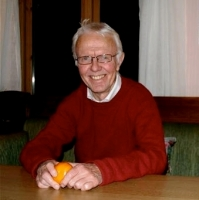
Prof. Karsten Hundeide

Founder, ICDP International

International Child Development Programme began developing in 1985. Professor Karsten Hundeide led the organisation as chair after it was registered as an international foundation in Oslo, Norway in 1992, until his passing in September 2011. His work laid the foundation for empathy-based caregiving as a global methodology for child development.

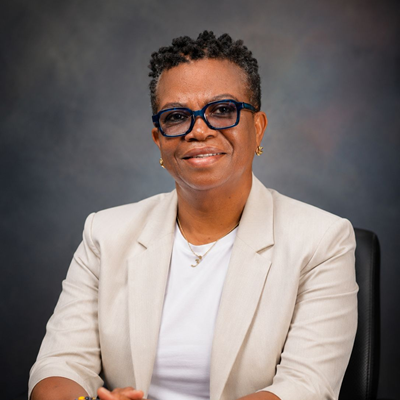
Mrs. Joyce Dodzi Larnyoh

Country Director, Ghana

The ICDP approach in Ghana is being spear-headed by Joyce, who has over 25 years of experience in teaching — from nursery settings to high school level — both in Ghana and England. She attended ICDP workshops in England, applied the programme at Shapes and Colours Educational Centre in Lashibi, and registered ICDP Ghana as an independent organisation in February 2013. She has over the years trained caregivers in the empathy-based approach towards child care.

History & Milestones

1985
ICDP International Begins Development

The International Child Development Programme begins its development as an evidence-based methodology for empathetic caregiving, led by Professor Karsten Hundeide in Norway.

1992
ICDP Registered as International Foundation

Officially registered as an international foundation in Oslo, Norway. The organisation begins rolling out its empathy-based approach to child development in multiple countries.

2011
Professor Hundeide Passes

Professor Karsten Hundeide, the founding chair and intellectual architect of ICDP, passes away in September 2011. His legacy lives on in the ICDP approach now practiced in dozens of countries.

2012
ICDP Begins in Ghana

Joyce Dodzi Larnyoh attended ICDP workshops in England and applied the programme at the Shapes and Colours Educational Centre, Community 20, Lashibi, Ghana. The foundation for ICDP Ghana is laid.

2013
ICDP Ghana Officially Registered

ICDP Ghana is registered as an independent organisation in February 2013. A three-year project is designed in collaboration with ICDP International, targeting the Upper Manya District of the Eastern Region.

2014
Key Partnerships Formed

Collaboration established with Plan Ghana and World Vision Ghana. Partnerships also formed with the District Assembly, Department of Women and Children Affairs, Ghana Education Service, and Faith Based Organisations.

2024
SafeStart Launched

SafeStart — a maternal and early childhood health initiative — launches in the Eastern Region, delivering portable ultrasound screenings in six communities: Kitase, Pokrom, Adamorobe, Konkonuru, Brekuso, and Ahwerase.

2025
5 Programmes, 3 Regions, National Reach

ICDP Ghana consolidates its role as a programme-focused organisation running SafeStart, D.A.R.E, O3, Think Equal SEL, and SeedScience across Greater Accra, Eastern and Oti regions — winning the 5th SeedScience International Course and training national SEL master trainers.

The ICDP Approach

ICDP believes every child deserves to flourish in a caring environment. Recognizing the vital role of at least one nurturing adult (Shonkoff et al., 2023), ICDP equips caregivers with empathy skills to bridge the gap and build strong, responsive relationships. This is crucial when families face challenges like broken homes or disasters, which can disrupt children's well-being (WHO, 2023).

Through empathy training, ICDP encourages caregivers to see children as individuals with emotions, not objects. This creates a "caring zone" (ICDP Ghana) where children, especially vulnerable ones like those with disabilities (UNICEF, 2023), feel supported and understood. Empowered caregivers then build communities where all, including children, the elderly, and individuals with disabilities, can thrive. This aligns with research on community-based interventions' effectiveness (Ungar, 2022). Ultimately, ICDP envisions a world where every child, regardless of circumstance, blossoms in a supportive environment fuelled by empathy.

ICDP Ghana uses 8 empathy-based guidelines as the foundation for every programme we run — from maternal health to adolescent empowerment. These guidelines ensure that warmth, sensitivity, and positive stimulation are at the core of all caregiver interactions.

1

Show positive feelings — let the child know you like being with them.

2

Adjust to the child — follow their lead and pay attention to what interests them.

3

Create shared positive experiences through play, talk, and daily routines.

4

Give meaning to the child's experience — talk about what you see and feel together.

5

Expand the child's experience — go beyond the concrete and build curiosity.

6

Regulate and set limits with warmth — help the child learn self-control positively.

7

Facilitate transitions — help the child prepare for changes and new situations.

8

Co-operate — involve the child in joint tasks and build a sense of shared responsibility.

Ready to make a difference?

Support ICDP Ghana's mission of Empathy In Action.

Donate Now